The Vegan Football Player: A Designer's Take on a Sporty Embroidered Character
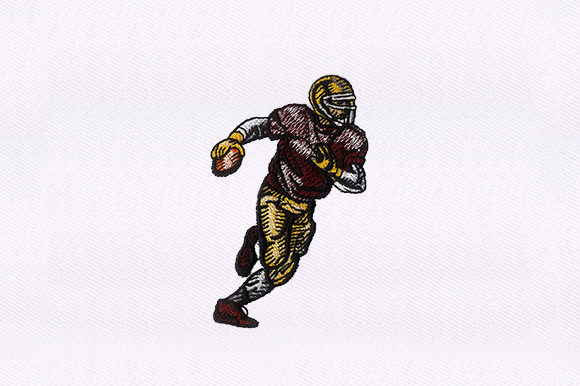
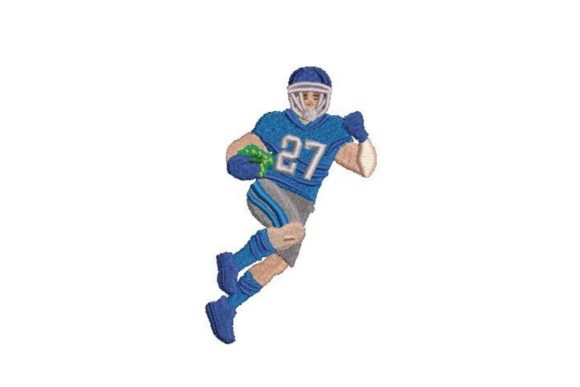
When you're scrolling through potential embroidery designs for a project, whether it's for a client order or your next shop listing, the first impression is everything. The Vegan Football Player design lands with a specific, cheerful mood. It's not just a generic athlete; the theme suggests a playful, modern, and conscious personality. The layout and detail level feel geared toward a clean, recognizable character, perfect for adding a bit of personality to a product without overwhelming it with intricate sports realism. This isn't a complex logo—it’s a friendly figure that belongs on items meant to convey a lighthearted, active vibe.
Where This Design Finds Its Perfect Home
In my mind, I immediately picture this embroidered onto a sturdy canvas tote bag for a local vegan cafe’s merchandise line, or as a small, sweet motif on the corner of a baby’s organic cotton blanket. Its clear, likely bold shapes would stitch out beautifully as a embroidered patch, ready to be appliquéd onto a backpack or a chef’s apron. For small shop products, think about unisex apparel: the center chest of a cozy sweatshirt or the sleeve of a t-shirt. It has that giftable quality—something you’d stitch for a friend who loves plant-based living and sports, making it a great candidate for a personalized gift. The visual personality is approachable, which boosts buyer engagement; customers recognize the theme instantly and it feels niche without being obscure.
The Real-Stitch Scenario: A Custom Tote Bag Project
Let’s walk through a real case. Imagine you’re preparing a batch of custom embroidered tote bags for a weekend craft fair. You hoop a piece of natural canvas, select your threads—maybe a crisp white for the player’s uniform and a few bold greens for accents. As the machine runs, you’re watching for how the satin stitch outlines hold up on this textured fabric and how the fill stitch areas in the design create solid blocks of color. A design like this, with presumably defined shapes, should stitch with clarity, making the finished product look professional and clean. That professionalism translates directly to customer trust and the perceived value of your handmade product. On a tote, it becomes a statement, not just a decoration.
Navigating the Tricky Stitching Grounds
While the product description suggests embroidering on any kind of fabric, a designer’s practical judgment always calls for caution. For the Vegan Football Player, pay close attention on very stretchy fabrics like thin t-shirts or on curved surfaces like caps. The design’s integrity depends on good stabilizer choice. If there are any small details, like tiny lettering or detailed corners within the figure, they could get lost or puff up on textured fabrics like sweaters. On dark fabric backgrounds, thread color contrast is paramount; you might need to test a bright outline or a different color palette to keep it popping. And for items destined for frequent washing—baby clothes or kitchen towels—you’d want to assess the stitch density. Too dense, and it becomes stiff; too light, and it might not withstand wear. Always test the design on scrap fabric first, especially when venturing into these challenging applications.
How This Design Elevates Your Craft Business
From a commercial perspective, using a clean, well-stitching design like this affects everything. For an Etsy seller or an apparel decorator, it ensures brand consistency across products—every tote, sweatshirt, and baby embroidery item looks uniformly sharp. That reliability builds a reputation. In your digital embroidery file previews and printable mockups for your shop, a design that stitches well translates to accurate, appealing visuals that sell the final product. It’s a design asset that can be versatile: a holiday embroidery gift (a themed pillow cover for a sports fan?), a boutique’s branded apron, or even a commercial embroidery project for a small business’s team uniforms. The key is its adaptability while maintaining visual appeal.
A Designer's Practical Notes Before You Hoop
Before you commit this design to a final project, here are my grounded notes. First, absolutely check the thread color contrast in both light and dark fabric backgrounds. Run a small test in black and white if you can to see the form clarity. Inspect the design file for any small details that might require a smaller hoop size or adjustments for your machine. Confirm the hoop size recommendation if it’s provided; if not, your test piece will tell you. Always use the proper stabilizer for your chosen fabric—this is non-negotiable for a clean finish. Crucially, before selling any finished items, confirm the licensing terms. Does the machine embroidery design allow for commercial use of the stitched products? The description mentions multiple embroidery file formats, which is excellent for machine compatibility, but you need to verify the usage rights. This step protects your craft business and your customers.
Ultimately, the Vegan Football Player feels like a design that, when stitched well on the right product, creates a connection. It’s specific enough to be meaningful, yet simple enough to be versatile. In your hands, it becomes more than a digital file; it’s the centerpiece of a finished product that tells a story—of lifestyle, of sport, of personal taste. That’s the power of a good embroidery design: it’s the starting point for something tangible and beloved.