The Craft Fair Appeal of the Cross Stitch Owl Laser Cut Montessori Design
As an embroidery designer preparing for a weekend market booth, my first task is to evaluate new designs with a seller’s eye. When reviewing the Cross Stitch Owl Laser Cut Montessori, my immediate impression is one of charming versatility. This design blends a classic, rustic craft aesthetic—cross stitch—with clean, modern laser-cut lines. The owl motif inherently carries a sense of wisdom and warmth, making it appealing across a wide customer demographic, from parents seeking educational toys to adults looking for decorative, handmade items.
First Impressions: Where This Design Fits in Your Booth
The title suggests a design that is both decorative and functional. "Cross Stitch" implies a handmade, textured look, while "Laser Cut" and "Montessori" point to precision and educational value. For a craft fair display filled with embroidered tote bags, aprons, and pillow covers, this owl design offers a unique bridge. It doesn’t scream “festive” or “minimal”; instead, it feels nostalgic and premium. It’s the kind of piece that can elevate a simple tea towel into a giftable kitchen heirloom or transform a child’s fabric pouch into a thoughtful learning tool.
On a crowded table, this design would stand out on products where its detail can be appreciated. A large, clean surface like a pillow cover or market bag would let the intricate lines of the owl shine. As a smaller accent on a cap or patch, however, the design’s complexity might become muddled. The educational toy angle mentioned in the description opens a niche market right at your booth, appealing to customers shopping for unique, non-plastic gifts.
Product Performance: From Tote Bags to Educational Toys
Let’s walk through the practical application of the Cross Stitch Owl Laser Cut Montessori across typical craft fair products.
Home Décor and Wearables
On a tote bag or apron, this design acts as a strong focal point. The owl, likely with geometric or patterned cross-stitch elements, creates visual interest and tells a story of craftsmanship. For online listings like Etsy, it photographs well against natural linen or cotton, emphasizing the handmade quality. On a pillow cover, it becomes a decorative statement piece, likely fitting a farmhouse or rustic aesthetic many customers seek.
However, be cautious with dense stitch areas if this is an machine embroidery design. On textured towels or thick fabric like canvas, you’ll need the correct stabilizer to maintain clarity. Embroidering on curved surfaces like caps requires careful hooping and possibly adjusting the hoop size to prevent distortion.
Smaller Items and Patches
As an embroidered patch, the Cross Stitch Owl Laser Cut Montessori could be a standout seller, especially if marketed alongside the “Montessori” and educational aspect. Patches are popular, low-cost items that drive booth traffic. The challenge here is scale. Tiny details or small lettering within the design might lose definition when reduced for a patch. Always test the design on scrap fabric first at the intended size.
For fabric pouches or small giftable items, this design adds significant value. It transforms a simple utility object into a special, branded product for your small shop.
The Educational Toy Angle
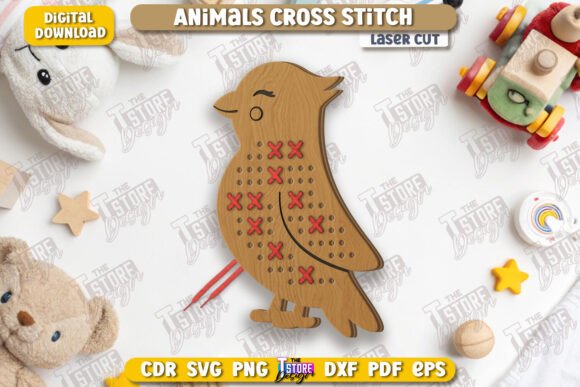
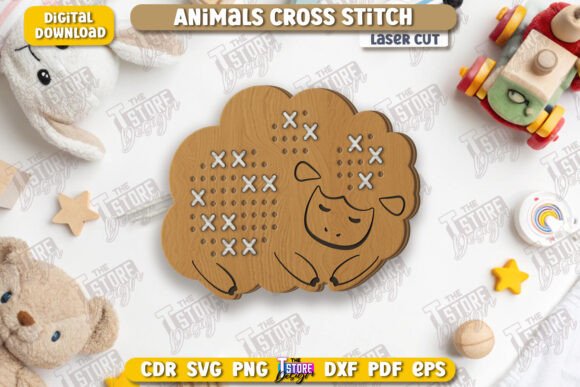
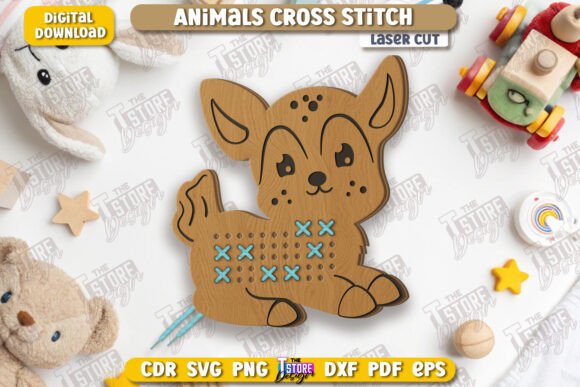
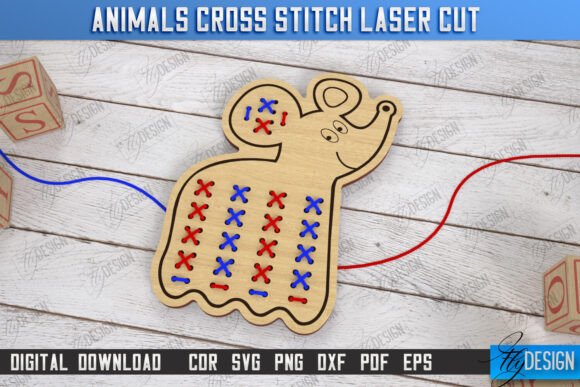
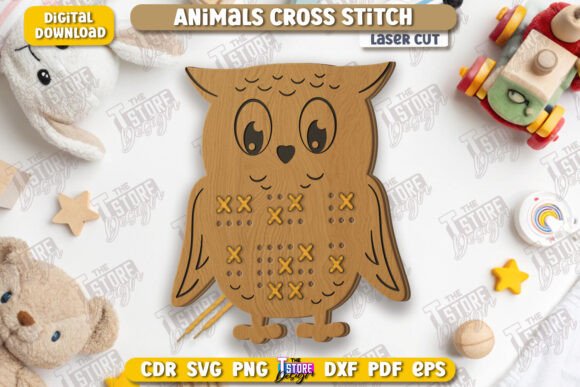
The product category "Other Toys Games" and type "Laser Cutting" hint at an application beyond traditional embroidery. This file could be used to create laser-cut lacing games or wooden toys. For an embroidery business, this is a fantastic opportunity to cross-promote. You could display embroidered owl items alongside simple, fabric-based lacing games using the same design, showing versatility and engaging customers interested in children’s products.
Practical Production Notes for the Selling Maker
Turning a digital file into a profitable, batch-produced craft fair product requires a practical eye.
- Understand the File: The description notes “RED line - CUT BLACK line - ENGRAVE.” As an embroidery designer, I interpret this as crucial for laser applications, but for commercial embroidery, you must confirm the provided file format is suitable for your machine. Check if it’s a standard embroidery file type before purchase.
- Stitch Density & Thread Colors: A “cross stitch” style design often involves fill areas. High stitch density on dark fabrics may require lighter or contrasting thread colors to remain visible. Always compare fabric colors with a test stitch-out.
- Batch Production & Consistency: The clean, likely symmetrical lines of the Cross Stitch Owl Laser Cut Montessori make it feel repeatable for batch production. This is key for preparing multiple tote bags or tea towels for your booth. Consistency in placement and thread choice will strengthen your brand consistency.
- Photography & Mockups: For your Etsy listings and booth samples, create at least one real mockup. A physical product helps you understand how light hits the stitches and how the design feels in hand. Use this mockup for photos. Printable mockups or digital design assets can aid online marketing, but the real item sells the quality.
Careful-Use Notes to Preserve Quality
Attention to detail prevents wasted materials and ensures customer satisfaction.
- Scale Tests: Never assume the design works at all sizes. Embroider it small (for a patch) and large (for a tote) on scrap to check clarity.
- Fabric Texture: The design’s appeal relies on clean lines. Avoid overly textured fabrics like heavy burlap that might obscure the engraving-like details.
- Commercial Licensing: The description does not specify license terms. It is imperative to confirm commercial licensing before selling finished products. Many digital files require a specific license for commercial use.
- Hooping & Stabilizer: For machine embroidery, precise hooping is non-negotiable. Use a stabilizer appropriate for the project fabric to prevent puckering, especially on items like pillow covers where a smooth surface is expected.
Final Judgment: Booth Impact and Customer Engagement
The Cross Stitch Owl Laser Cut Montessori design has strong potential for a craft fair booth. Its visual appeal is rooted in a timeless craft style, which attracts customers looking for authentic handmade products. It can serve multiple product lines—from decorative home goods to educational children’s items—maximizing your table’s appeal.
It affects product value by adding a layer of thoughtful design. An embroidered tea towel with a generic flower is common; one with this intricate, story-driven owl feels special and justifies a higher price point. In terms of buyer engagement, it’s a design that invites questions. Customers might ask about the Montessori connection or the cross-stitch technique, opening a conversation about your process and brand.
For your booth display strength, incorporate products using this design at different heights and in varied applications. Place an owl-embroidered apron on a mannequin, stack pillow covers, and display small patches or pouches in a basket. This shows the design’s versatility and craftsmanship, encouraging customers to imagine it in their own lives.
In conclusion, the Cross Stitch Owl Laser Cut Montessori is a robust, versatile addition to a maker’s arsenal. With careful production tests and a clear understanding of its licensing, it can become a profitable and engaging centerpiece for your next craft fair, helping your embroidery business stand out in a crowded, creative market.