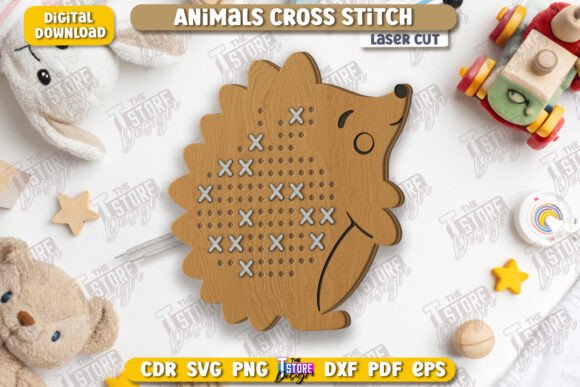
Reviewing the Cross Stitch Hedgehog Laser Cut CNC File
As an embroidery designer who regularly sources files from Creative Fabrica for both personal projects and commercial work, I approach every new design with a practical eye. The Cross Stitch Hedgehog Laser Cut CNC file caught my attention, and I immediately considered it for a series of handmade tote bags and nursery-themed gifts. Here’s my honest evaluation from a designer’s perspective.
First Impressions: A Design for Decorative Charm
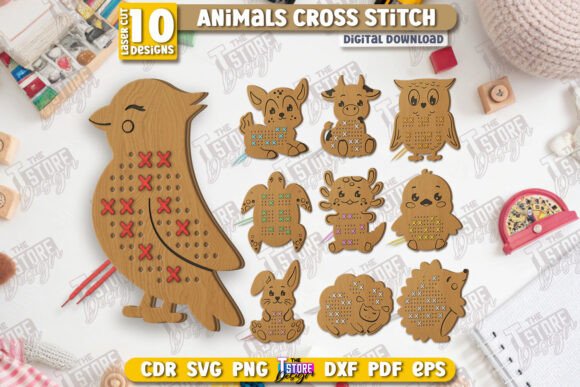
The Cross Stitch Hedgehog Laser Cut CNC file presents a charming, playful character. The mood is distinctly sweet and whimsical, perfect for projects targeting children, gifts, or adding a touch of lighthearted decor. The detail level appears balanced for a laser-cut applique approach—it’s not overly complex, which is often a benefit for clean fabrication and subsequent embroidery application. This isn't a dense, thread-heavy embroidery file; its personality lies in its shape and the potential for layered fabric textures.
It naturally fits projects where a clean, graphic silhouette is key. I envisioned it on a baby blanket corner, a kitchen towel, or as a focal point on a cotton apron. The decorative appeal is strong for handmade goods that benefit from a friendly, approachable motif.
Performance in Real Embroidery and Craft Projects
Thinking about real-world use, the Cross Stitch Hedgehog Laser Cut CNC file is not a traditional machine embroidery design with satin or fill stitches. It is a CNC file intended for laser cutting, likely to create a precise fabric applique shape. This means its performance in embroidery work hinges on your process: you would laser-cut the hedgehog shape from fabric (using the designated CUT lines), possibly engrave details (using the ENGRAVE lines), and then apply that cut shape to your base material—perhaps by hand-stitching, machine-stitching a border, or using fusible web.
For custom apparel like sweatshirts or caps, this method can be excellent. Applying a laser-cut applique onto a curved cap surface can be easier than embroidering dense stitches directly onto that surface. For tote bags and pillow covers, it offers a crisp, modern look. For patches, you could create a unique layered patch by stitching the cut shape onto a patch base. This approach can save stitching time and thread, while offering a distinct textured look compared to standard fill stitch designs.
Practical Considerations for Handmade Products
When using an applique method derived from a laser cut file, practical use requires careful planning. On stretchy fabric like sweatshirt material, you must use proper stabilizer behind both the applique and the base fabric to prevent puckering. For dark fabrics, the choice of your applique fabric color becomes critical for contrast. The small details, like potential engraved lines for features, need to be inspected after cutting to ensure they are clear and will translate well when applied.
For products needing frequent washing, such as kitchen towels or baby items, the security of your applique attachment is paramount. A strong satin stitch border or secure fusible application is necessary for durability. Since this is a digital file for laser cutting, there are no inherent hoop size or stitch density concerns as with an embroidery file, but the physical size of the final cut shape must be appropriate for your project—a very large hedgehog might overwhelm a cap, while a tiny one might lose detail on a tote bag.
Impact on Product Value and Customer Appeal
From a business standpoint, using a well-executed applique from the Cross Stitch Hedgehog Laser Cut CNC file can enhance product value. It offers a handmade presentation that feels both crafted and precise. The clean lines from laser cutting can elevate visual appeal compared to a hand-cut applique, boosting buyer trust in your craftsmanship.
For Etsy listings, craft fair products, and boutique merchandise, this distinctive look aids in brand consistency if you specialize in modern, graphic designs. Its giftability is high, especially for nursery decor, seasonal handmade gifts, or personalized items where you could customize the applique fabric color. In product photography, a crisp applique photographs beautifully, aiding customer engagement. It also integrates well into printable mockups for digital shops selling the physical finished product.
Essential Embroidery Designer Notes Before Use
My strongest advice is to treat this as a fabrication asset, not a direct embroidery file. Always test on scrap fabric first. Laser-cut your test piece to check the precision of the cut and engrave lines, and then practice applying it to your typical base materials (cotton, fleece, denim) using your preferred method.
Check your thread color contrast for any stitching you plan to add around the applique. Review the scale of the design; confirm the final physical size will work for your intended hoop if you are adding machine-stitched borders. Compare how it looks on both light and dark fabric mockups by changing your applique fabric color. Crucially, you must confirm the file details and licensing on the Creative Fabrica product page before selling finished items. Understand the formats provided and their compatibility with your laser cutting machine. The product category is Other Toys Games and the type is Laser Cutting, which reminds us this file is optimized for that specific fabrication method, not direct embroidery.
Final Thoughts for Creative Entrepreneurs
The Cross Stitch Hedgehog Laser Cut CNC file from Creative Fabrica is a versatile design asset for creators who have access to laser cutting and want to explore applique-based embellishment. It is not a conventional machine embroidery design, so it won’t automate stitching on your embroidery machine. Instead, it provides a high-quality, precise shape that can be incorporated into a wide range of commercial embroidery products and handmade gifts through thoughtful application.
For embroidery designers and apparel decorators looking to expand their techniques, it offers a pathway to a clean, modern aesthetic. Its value lies in your ability to merge precise digital fabrication with the tactile art of embroidery and sewing. For your real customer orders—whether that’s a tote bag, a baby blanket, or a custom cap—it can result in a standout product, provided you invest the time in testing and perfecting your applique process.